

Arancini are breaded rice balls that are fried, filled with ragù, cheese or other ingredients and are one of the most famous street snacks in Sicily.
What are Sicilian arancini and what are they made of?
An arancini is cooked rice shaped around a filling, then breaded and fried until golden brown and crispy on the outside. Inside, there's a surprise filling that varies depending on what's inside.
Their crispy crust contrasting with a creamy interior has made them an undisputed classic of Sicilian cuisine.
What is the difference between arancini, suppli, and other Italian croquettes?
The Roman suppli is like a close cousin of the arancino, but with the difference that it has an oval shape and always has stringy mozzarella in the center.
The arancino, on the other hand, is typically round or conical and can have much more varied fillings, such as ragù and pistachio.

What ingredients are in a traditional Sicilian arancino?
The base of a traditional arancini is always rice cooked with butter or oil, sometimes dyed yellow with saffron. This is combined with a filling, breadcrumbs for coating, and frying oil, which gives it its characteristic crispy texture.
What is the origin of arancini in Sicily?
There are many theories, but one of the theories about the origin of arancini dates back to the Arab domination of Sicily, between the 9th and 11th centuries, when rice cultivation was introduced to the island.
Since then, it is said that this snack evolved into its own gastronomic symbol, with recipes that vary from one town to another.
Why arancini are part of Sicilian street food
Their compact shape makes them easy to carry and eat, without the need for cutlery. This practicality makes them a staple in bars, refrigerators, and street food stalls throughout Sicily.
Today they remain a dish linked to everyday life, but they are also present at celebrations and family gatherings. The official tourism website of Sicily presents them as one of the emblems of popular Sicilian gastronomy.

What does the round or conical shape of arancini mean?
In some areas of Sicily, the conical shape is said to represent Mount Etna, while the round shape symbolizes abundance and the orange, the fruit that gives the dish its name. Its symbolism varies by region, but it is part of the folklore of this beloved treat.
How the name arancino or arancina varies depending on the area of Sicily
In much of eastern Sicily, the masculine form *arancino* is used, although in Palermo and other western areas, *arancina* is more common. Both names are part of Sicilian tradition and neither changes what the dish contains.
The Accademia della Crusca explains this linguistic difference and points out that the debate is related both to the regional varieties of Italian and to the reference to the orange.
What types of Sicilian arancini are the most popular?
Ragù is undoubtedly the classic, but the recipe allows for a wide variety of fillings. Some are mild and creamy, others have more pronounced flavors, such as pistachios, eggplant, cured meats, or aged cheeses.
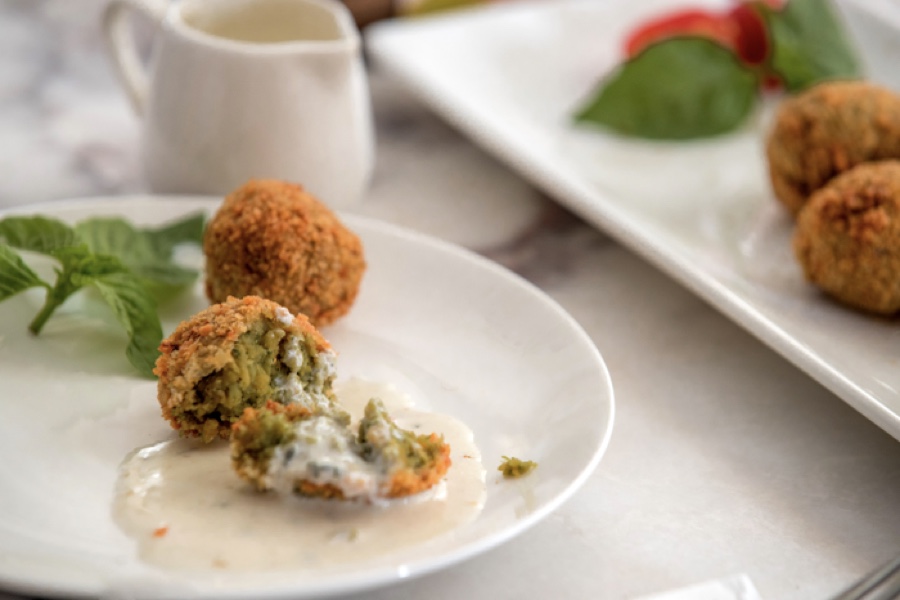
What do arancini have in the ragù and why are they the most classic?
Arancini al ragù comes filled with minced meat in tomato sauce, peas and sometimes cheese, being the most traditional version and the one most people try first.
Its flavor is reminiscent of a good pasta with ragù, something you can also explore in our guide to the perfect risotto, where rice once again takes center stage.
What cheese, pistachio, or vegetable fillings are used in arancini?
The mozzarella and ham filling is a favorite for its texture, while the pistachio filling adds a sweeter and more sophisticated touch.
There are also vegetarian versions with spinach, eggplant or even pesto, ideal for those looking for something lighter, without meat and without sacrificing flavor.
Which arancini to choose if you're looking for a milder or a more intense flavor
If you're looking for a delicate flavor, it's best to choose fillings like mozzarella, ham, béchamel sauce, or mild vegetables, as their creaminess balances the frying and allows the rice to remain the star.
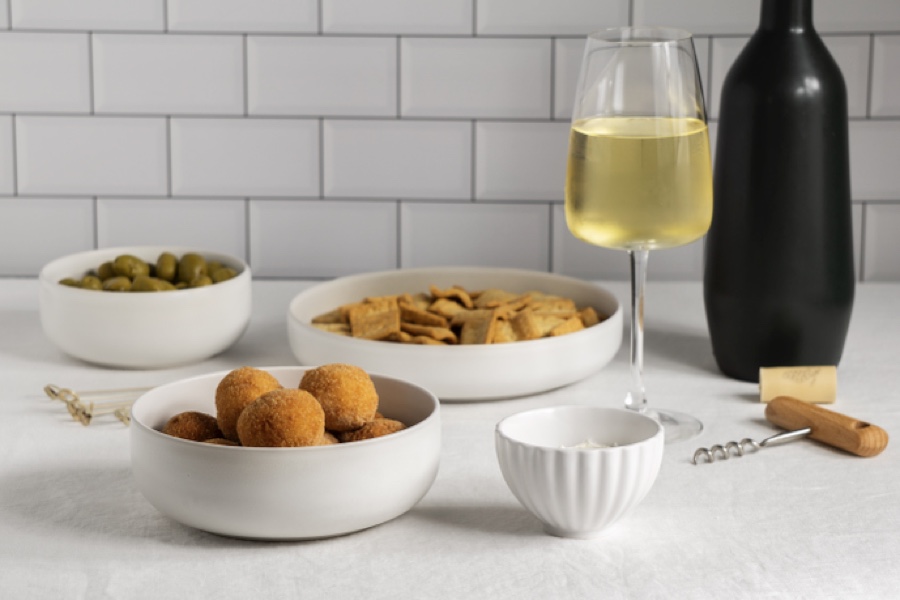
If you'd like something with more character, ragù, aged cheeses, pistachios, or a dish with eggplant offer deeper nuances. The best choice will depend on both the filling and the other dishes you order.
How to eat Sicilian arancini in an Italian restaurant?
Arancini are usually served hot or warm, when the outside is still crispy and the filling is still juicy. You don't need utensils as they can also be split in half or eaten directly with your hands.
When to order arancini as an antipasto, appetizer, or sharing dish
As an antipasto, they work very well before pasta or salad, especially if you order one per person. They're also great as an aperitif, accompanied by other Italian snacks and a refreshing drink.
If they're large or have a substantial filling, it's best to order them to share. Following the tradition proposed by the Bresca appetizer, The idea is precisely to gather around various flavors and enjoy several options without rushing.
What wine or drink pairs best with Sicilian arancini?
Cheese or vegetable arancini pair beautifully with crisp white wines, sparkling wines, or light beers. The acidity helps balance the crispiness and cleanses the palate between bites.
For a ragu filling, you can choose a young Italian red wine, such as a spritz, which is a lighter option for an aperitif. Ideally, consult the Bresca's letter and choose a drink that complements it without masking its flavor.


